Space science
Super Earth discovered with record density
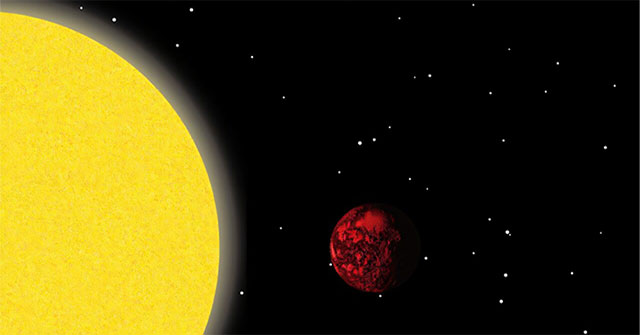
A lead-heavy exoplanet, possibly the leftover core of a giant sphere that flew too close to its sun, has just been discovered.
Browse ScienceInfo articles and explainers related to Super Earth.
43 published items.
A lead-heavy exoplanet, possibly the leftover core of a giant sphere that flew too close to its sun, has just been discovered.
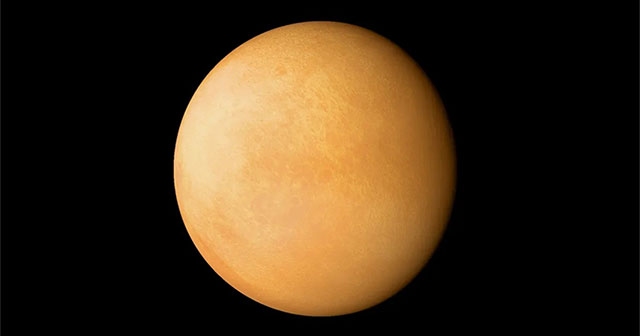
The James Webb Space Telescope has discovered the skies bubbling with toxic gas on a super-Earth just 35 light years away.
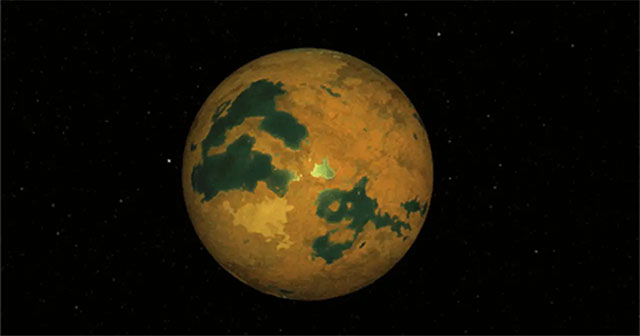
NASA's new statement abruptly ruled out HD 26965 b - also known as Vulcan - roughly the way the Star Trek planet of the same name disappeared.
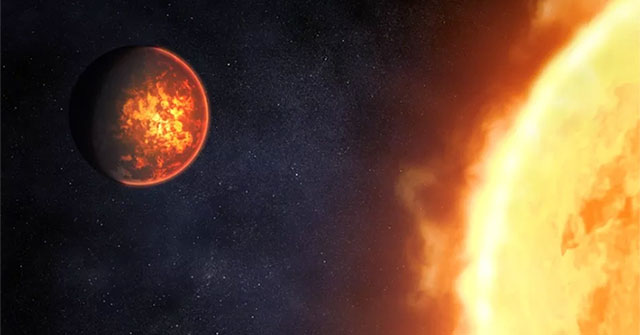
The James Webb Space Telescope will explore new worlds in a level of detail never before seen.
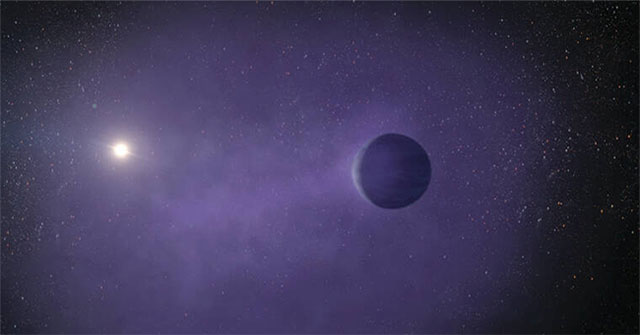
The spectacular transformation of two future super-Earths has been recorded by NASA/ESA's Hubble Space Telescope and WMKeck's Keck II Telescope (located in Hawaii).
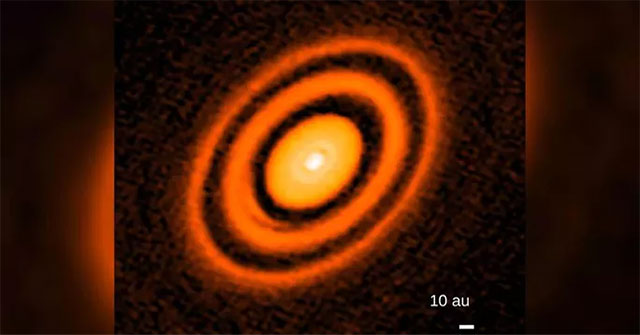
Dense rings of dust around a Sun that look nothing like the Sun today have prevented our planet from evolving into a super-Earth.

Gliese 887, one of the brightest red dwarfs seen from Earth, is harboring two large planets in the region of life.
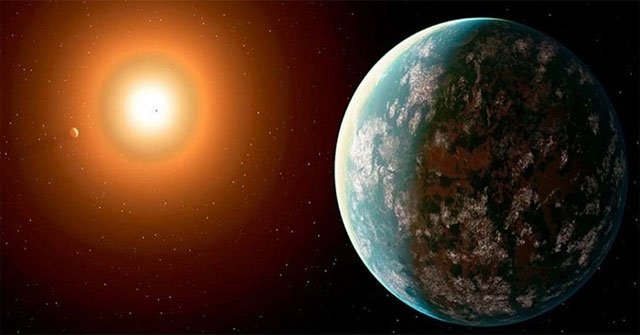
The newly discovered exoplanet has four times the mass of the Earth, orbiting the star as small as 1/10 of the Sun.
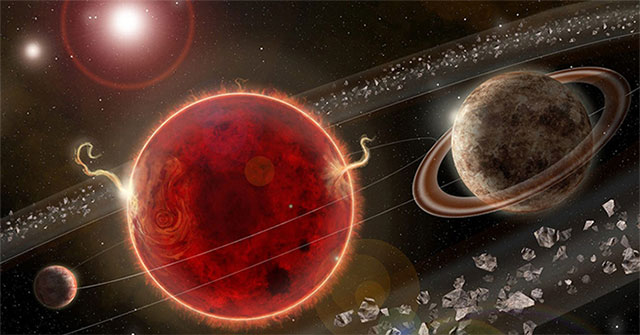
Astronomers found the exoplanet Proxima c orbiting the red dwarf Proxima Centauri, only 4.2 light-years from Earth.
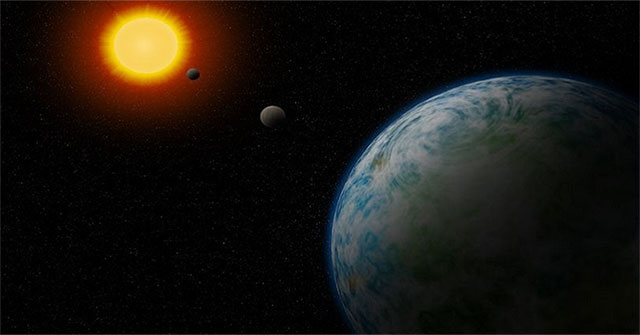
The researchers found that two exoplanets that are nearly eight times the size of the Earth could have liquid water, orbiting stars close to the sun.
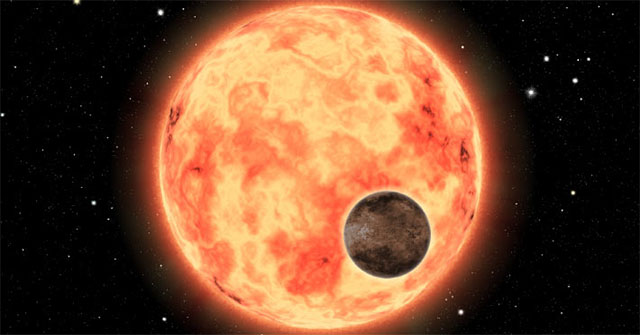
Another solar system with the center is a sun-like star and two planets (one is super-earth, the other is a copy of Neptune) found by NASA's planetary hunters.
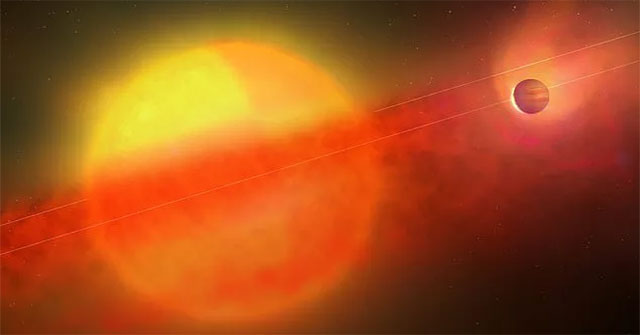
Hot, strange worlds how we are 160 to 440 light years away may be the key to our understanding of how the earth was formed.

Another solar system called Gilese 1061 has up to three super-Earths, of which one super-Earth could be an almost perfect enlarged copy of our planet.
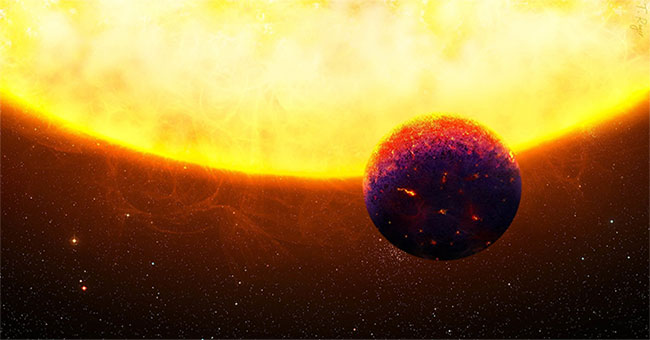
Researchers have discovered a unique shimmering planet in the universe with surfaces covered with sapphire and ruby.
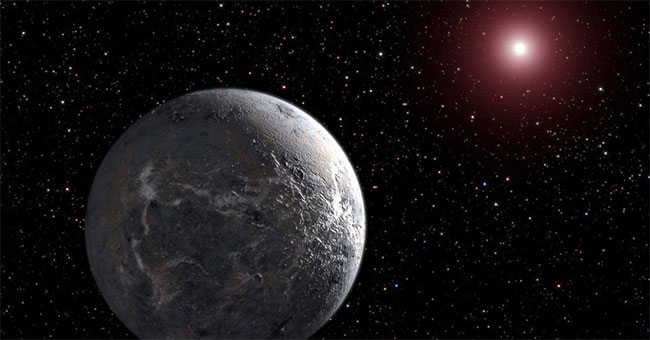
Scientists found that a super-Earth rotating around a red dwarf Barnard is only 6 light-years away from the solar system.